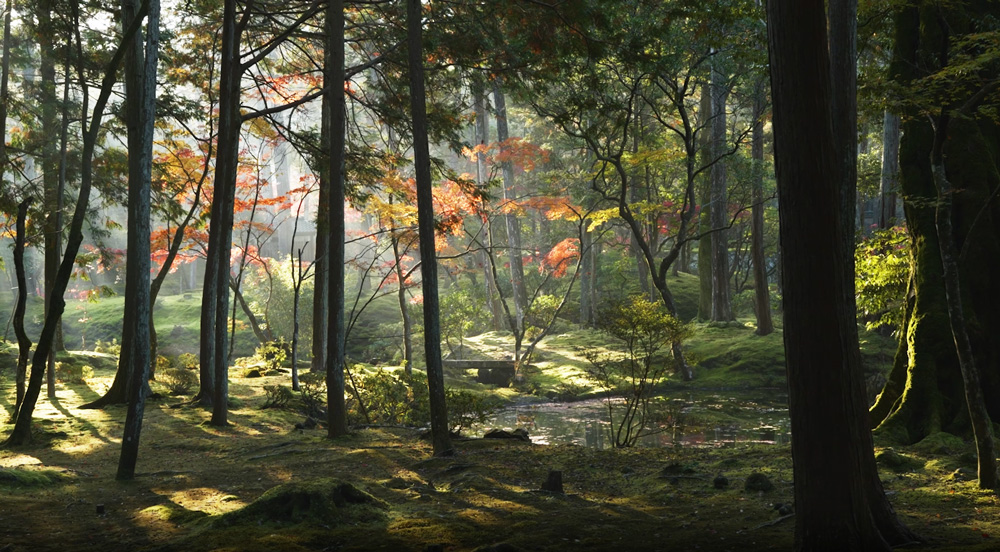
Kokedera, officially known as Saihoji, is one of Kyoto’s most unique and mysterious temples. This UNESCO World Heritage site is renowned for its stunning moss garden and rich historical and cultural significance. Kokedera is not just an ancient Buddhist sanctuary, but a unique space that blends Zen philosophy, traditional Japanese garden art, and natural beauty.
As one of Kyoto’s 33 Kannon pilgrimage sites, Kokedera attracts visitors and pilgrims from around the world each year. Unlike other popular attractions, Kokedera requires advance reservations, offering visitors a quiet, in-depth cultural experience. Here, you can not only admire the dreamlike landscape composed of over 120 species of moss but also experience traditional Zen practices such as sutra copying.
Key Information
- Official name: Saihoji
- Common name: Kokedera (Moss Temple)
- Location: Western Kyoto
- Main feature: Garden with over 120 moss species
- Advance reservation required
- Activities include sutra copying and garden tour
- UNESCO World Heritage Site
- One of Kyoto’s 33 Kannon pilgrimage sites
Rich History
The history of Kokedera dates back to the early 8th century during the Nara period. Initially, it was the site of Prince Shotoku’s villa. Later, during the Nara period (710-794), it was converted into a temple, originally belonging to the Tendai sect.
A turning point for the temple came in 1339 when the famous Zen monk Muso Soseki was invited to rebuild and transform the temple. Under his guidance, the temple was thoroughly renovated and converted to a Zen temple of the Rinzai school. Muso Soseki was not only an outstanding Zen master but also a talented poet and renowned garden designer. He is credited as the main designer of Kokedera’s famous garden as we know it today.
In Muso Soseki’s design philosophy, the garden was not just a beautiful landscape but a place for practice and enlightenment. He skillfully utilized the natural topography and water sources of the site to create a unique garden that blended dry landscape and stroll garden styles. Initially, the garden was not primarily characterized by moss but included various plants and stone arrangements.
However, during the Edo period (1603-1868), the maintenance of the temple became difficult for various reasons. It was during this period that moss began to grow naturally in the garden and gradually became dominant. By the late 19th century, the garden had transformed into the moss paradise we see today. This accidental evolution not only didn’t detract from the garden’s beauty but added a unique charm, making it Japan’s most famous moss garden.
In 1994, Kokedera was inscribed on the UNESCO World Heritage List as part of the Historic Monuments of Ancient Kyoto, further cementing its importance in Japanese culture and garden art.
Main Attractions
Sutra Copying Experience
Every visitor to Kokedera is required to participate in religious activities of kito (chanting) and shakyo (sutra copying). Visitors will be seated at low writing desks, led in chanting by a monk, and then begin copying. This process may take over an hour, but even those unfamiliar with Japanese calligraphy or Buddhism can complete it by tracing the provided Japanese characters.
Moss Garden
Breathtaking Moss Garden
Kokedera is famous for its beautiful moss garden. The garden is home to about 120 different varieties of moss, creating a breathtaking green carpet landscape. After completing the sutra copying, visitors can stroll through this influential Japanese garden, experiencing its unique beauty and tranquil atmosphere. The garden’s design incorporates elements of both flat and hilly gardens, creating a profound and serene ambiance through clever layout.
Main Hall
During winter (mid-January to February) when the garden is closed for maintenance, visitors can tour the temple’s main hall and admire the many fusuma sliding screens painted by the 20th-century artist Domoto Insho. These paintings blend traditional and modern elements, adding an artistic touch to the ancient temple. Winter visitors can also participate in zazen meditation instead of sutra copying, experiencing another aspect of Zen practice.
Best Time to Visit
Kokedera is suitable for visiting any time outside of winter. Spring (April-May) offers a beautiful contrast of pink cherry blossoms and green moss. Summer (June-August) showcases the moss at its lushest after the rainy season. Autumn (October-November) is ideal for enjoying the contrast between red leaves and green moss. Although the garden may be closed in winter (December-February), participating in meditation and appreciating indoor art is a unique experience.
Getting There
From Kyoto Station:
- Take the Karasuma Subway Line to Shijo Station (3 minutes)
- Transfer to the Hankyu Kyoto Line to Katsura Station (8 minutes)
- At Katsura Station, switch to the Hankyu Arashiyama Line to Matsuo Taisha Station (5 minutes)
- Walk for 20 minutes from Matsuo Taisha Station to reach Kokedera
The total journey takes about 30 minutes and costs 460 yen.
Alternatively, take Kyoto Bus number 73 from Kyoto Station via Arashiyama directly to Kokedera (1 hour, 230 yen one way). Note that on busy days, this bus may be delayed due to congestion in the Arashiyama area.
Hours and Fees
- Advance reservations required
- Online reservations: Possible from two months to one day before the visit
- Postal mail reservations: Need to apply 1-2 months in advance
- Admission fee: 4000 yen (plus 110 yen service fee for online reservations)
- Age restriction: Visitors must be at least 13 years old
- Special visiting programs: Offered on selected days with additional activities at higher costs
Visitor Tips
- Prepare well in advance, including comfortable clothing and mental preparation for potentially long periods of sitting on the floor
- Respect temple rules, maintain silence, and follow photography guidelines
- Consider visiting during the off-season for a more tranquil experience
- Prepare some small change for souvenirs or donations
- If planning to walk, wear comfortable shoes and check the weather forecast
Official Website
Conclusion
Kokedera is not just a historically rich temple but a unique place where one can immerse themselves in Zen philosophy and natural beauty. It perfectly illustrates the Japanese cultural concept of harmony between humans and nature. Whether you’re a Buddhism enthusiast, a garden lover, a history and culture buff, or simply a traveler seeking tranquility, Kokedera offers an unforgettable experience. Book a visit to Kokedera, explore the mystical charm of this Kyoto gem, and let your spirit be purified and elevated in this sea of verdant moss.