Introduction
The Hokkaido University Botanic Garden (北海道大学植物園, Hokkaidō Daigaku Shokubutsuen), established in 1886, stands as an urban oasis combining scientific research, education, and leisure. Spanning 13 hectares, this botanical haven preserves precious remnants of the Ishikari Plain’s primeval forest while featuring distinctive alpine gardens, greenhouse collections, and an Ainu museum, offering visitors a perfect venue to explore Hokkaido’s natural and cultural heritage.
Key Highlights
- Preserved primeval forest of the Ishikari Plain
- Seasonal alpine garden section
- Year-round greenhouse facility
- Educational Ainu Museum
- Peaceful grounds for strolling and picnics
- Convenient city center location
Historical Background
Founded in Meiji 19 (1886), the Botanic Garden ranks among Japan’s oldest university botanical gardens. The grounds maintain the original forest landscape that covered the Ishikari Plain before development, bearing witness to Sapporo’s transformation from a small fishing village to a modern metropolis. Beyond its crucial research and educational functions, the garden serves as an ecological retreat for both Sapporo residents and visitors.
Main Attractions
Primeval Forest Zone
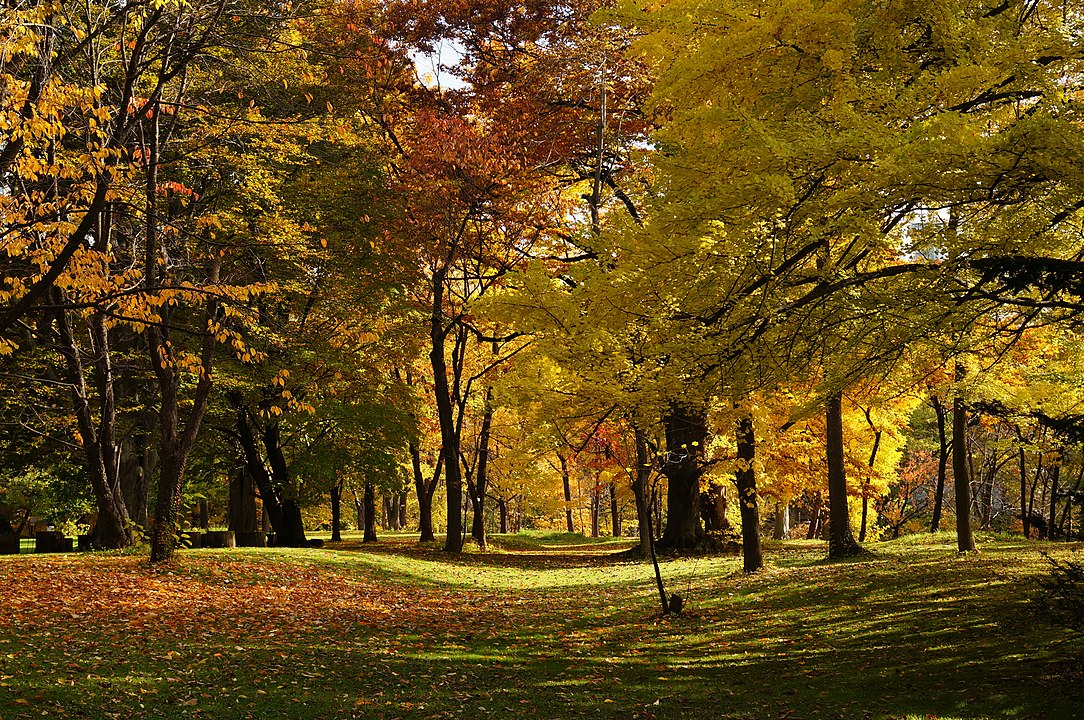
The Primeval Forest Zone, covering approximately 6 hectares, is the garden’s most distinctive area, preserving the original forest landscape of the Ishikari Plain. The zone houses numerous century-old trees, including elm, birch, and maple species native to Hokkaido. Well-maintained walking trails allow visitors to experience the mystique and grandeur of Hokkaido’s primeval forest up close. Each season offers unique charm: spring wildflowers, summer shade, autumn foliage, and winter snowscapes create an ever-changing natural display.
Alpine Garden
The Alpine Garden showcases a scientific arrangement of Hokkaido’s mountain flora, featuring over 200 alpine species, including endemic varieties. During spring and summer, various alpine flowers create a vibrant natural tapestry. Detailed plant identification plates throughout the garden help visitors understand each species’ characteristics and significance. The garden provides a unique opportunity to observe high-altitude plants at ground level.
Greenhouse
The 1,000-square-meter greenhouse remains open year-round as a key attraction. Divided into tropical and subtropical climate zones, it displays rare plants from around the world. The collection includes tropical rainforest specimens, desert flora, and aquatic plants, offering visitors a journey through diverse climate zones. During winter, the greenhouse serves as a welcome tropical retreat from Sapporo’s snow.
Ainu Museum
Though compact, the museum houses a valuable collection of Ainu cultural artifacts, including traditional clothing, daily utensils, and ceremonial items. Through these exhibits, visitors gain insight into the history, culture, and lifestyle of Hokkaido’s indigenous Ainu people, experiencing the unique aboriginal heritage of the region.
Best Time to Visit
- Spring (April-May): Cherry blossoms and spring flowers
- Summer (June-August): Lush greenery and cool retreat
- Autumn (September-October): Spectacular fall colors
- Winter (November-April): Greenhouse displays and snow views
Access Guide
- From Sapporo Station: 10-minute walk (southwest)
- From Nishi-Juitchome Station: 5-minute walk (north)
- Address: North 3, West 8, Chuo-ku, Sapporo
Hours and Admission
Opening Hours:
- April 29-September 30: 9:00-16:30
- October 1-November 3: 9:00-16:00
- November 4-April 28 (Weekdays): 10:00-15:30
- November 4-April 28 (Saturdays): 10:00-12:30
Admission Fees:
- Summer: 420 yen
- Winter (greenhouse only): 120 yen
Closures:
- Mondays (or following day if Monday is a holiday)
- Sundays and holidays during winter season (November 4-April 28)
- December 28-January 4
Visitor Tips
- Check weather forecast and dress appropriately
- Allow 2-3 hours for a complete visit
- Picnicking allowed with own drinks and food
- Respect garden rules and avoid picking plants
- Bring macro lenses for photography enthusiasts
Official Websites
Conclusion
The Hokkaido University Botanic Garden represents a rare fusion of nature and culture. Whether you’re a plant enthusiast or seeking urban relaxation, the garden offers unique experiences year-round. From spring blooms to winter snow, each season presents its distinct charm. Visit this century-old botanical garden with family and friends to experience the dialogue between nature and history, and discover Sapporo’s unique appeal.