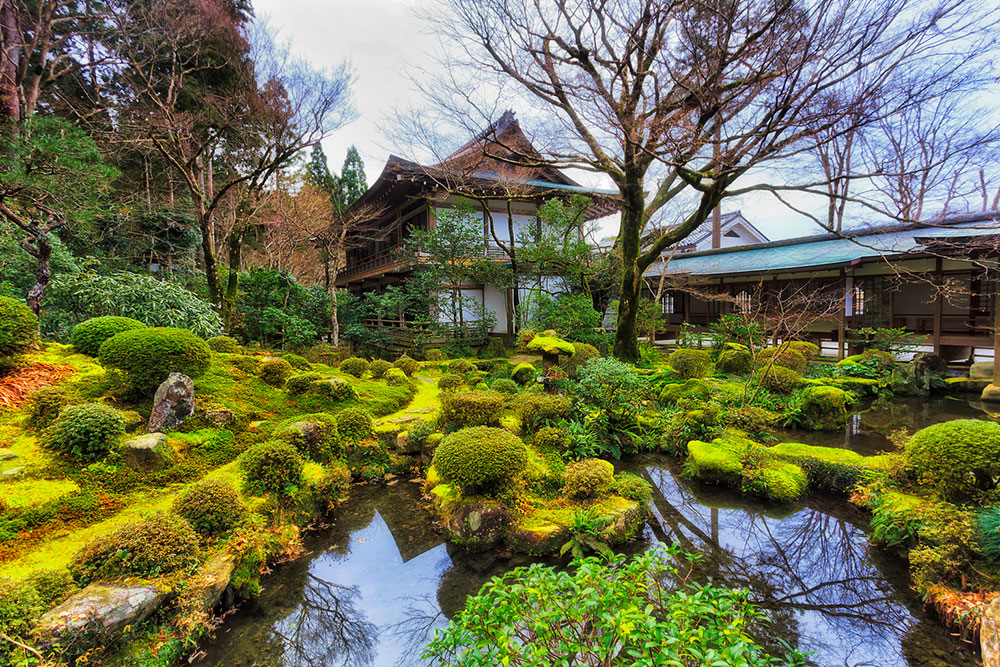
Ohara: A Hidden Buddhist Sanctuary in Northern Kyoto
Ohara is a serene rural town in northern Kyoto, technically within Kyoto City limits but about an hour’s journey from the bustling city center. Famous for Sanzenin Temple, Ohara preserves the charm of traditional Japanese countryside, offering a perfect escape to experience a different side of Kyoto. The allure of Ohara lies in its seamless blend of natural beauty, historical relics, and spiritual culture.
Highlights of Ohara:
- Sanzenin Temple: A renowned Tendai sect temple with beautiful gardens
- Hosen-in Temple: 700-year-old pine tree garden and tea ceremony experience
- Jakko-in Temple: Former nunnery of an empress, spectacular autumn foliage
- Raigo-in Temple: Secluded mountain temple with ancient architecture
- Autumn foliage: Peaks about a week earlier than central Kyoto
- Onsen ryokans: Natural hot spring experiences in a rural setting
- Local cuisine: Ice-pickled cucumbers, wild mountain vegetable dishes
A Rich Buddhist Heritage Nurtured by Centuries of History
Ohara’s Buddhist history dates back to the early Heian period (794-1185). Saicho, the founder of the Tendai sect of Japanese Buddhism, established Sanzenin Temple here, laying the foundation for Ohara as a Buddhist sanctuary. Over the centuries, numerous temples were built, creating a unique Buddhist cultural atmosphere. Ohara was not only a place for Buddhist practice but also a retreat for imperial family members and nobles, further enriching its cultural significance.
Main Attractions
Sanzenin Temple
Sanzenin is the most famous attraction in Ohara and the spiritual center of the area. The temple complex is nestled in lush forests with beautiful gardens. Notable features include:
- Amida Buddha statue: A precious 9th-century statue considered a national treasure
- Moss garden: Lush moss garden with changing scenery through the seasons
- Zen rock garden: Exemplifying traditional Japanese garden art
- Tea house: Opportunity to enjoy tea while viewing the garden
- Kannon-do Hall: Houses a unique statue of the Thousand-Armed Kannon
Jakko-in Temple
Founded around 600 AD, Jakko-in was once a nunnery where a former empress took her vows. A long stone staircase leads to the temple gate, particularly spectacular during autumn foliage. Although the main hall was destroyed by fire in 2000, it has been rebuilt and houses a statue of Jizo Bodhisattva. The temple is also known for its beautiful calligraphy works.
Hosen-in Temple
Though small, Hosen-in boasts a distinctive garden. The highlight is a meticulously pruned 700-year-old pine tree. Visitors can enjoy tea in a tatami room while admiring the ancient pine. The temple also features a stroll garden with large rocks and maple trees, which turn brilliantly red in autumn.
Raigo-in Temple
Located in a more secluded area away from shops and crowds, Raigo-in offers a particularly tranquil atmosphere. Founded in the mid-9th century, its main hall and bell tower date back to the Muromachi period (1333-1573), and it features a small stone pagoda from the Kamakura period (1192-1333). This is an ideal place to experience the true serenity of a temple.
Otonashi no Taki Waterfall
About a 10-minute walk from Sanzenin, you’ll find the “Soundless Waterfall.” This waterfall is more like a quiet stream trickling over rocks. Legend has it that the sound of the waterfall merged with the chanting of nearby monks, hence its silent nature. It’s a perfect spot for meditation and relaxation.
Best Time to Visit
- Spring (March-May): Cherry blossoms and wildflowers in bloom
- Summer (June-August): Cool retreat from city heat, lush greenery
- Autumn (October-November): Best for fall foliage, usually a week earlier than central Kyoto
- Winter (December-February): Possible snowscapes, ideal for hot spring enjoyment
Getting There
From Kyoto Station:
- Take the Karasuma Subway Line to Kokusaikaikan Station (20 minutes, 290 yen)
- Transfer to Kyoto Bus No. 19 to Ohara (20 minutes, 400 yen, every 20 minutes)
Alternatively:
- Take direct Kyoto Bus No. 17 to Ohara (60 minutes, 630 yen, every 30 minutes)
Within Ohara, most sites are within walking distance, and strolling between attractions is part of the experience.
Opening Hours and Admission Fees
- Sanzenin: 9:00-17:00 (from 8:30 in November, until 16:30 from December to February), 700 yen
- Jakko-in: 9:00-17:00 (until 16:30 from December to February), 600 yen
- Hosen-in: 9:00-17:00 (last entry 16:30), 900 yen (includes green tea and Japanese sweet)
- Raigo-in: 9:00-17:00, 400 yen
- Shorinin: 9:00-16:00 (until 16:30 in November), 300 yen
Visitor Tips
- Wear comfortable shoes suitable for walking
- Book accommodations in advance, especially during peak foliage season
- Try local specialties like ice-pickled cucumbers and mountain vegetable dishes
- Consider staying at an onsen ryokan for a full rural Japan experience
- Bring cash, as many small shops and temples don’t accept credit cards
- Respect local customs and maintain quietness in temples
- Consider purchasing the “Ohara Three Temples Pass” for better value
Exploring the Ohara Surroundings
- Ohara-me Culture: Learn about the traditional Ohara-me (vegetable-selling women) culture
- Kurama Area: Further explore more remote countryside landscapes
- Mount Hiei: Not far from Ohara, it’s the headquarters of the Tendai sect
Official Websites
Ohara: Conclusion
Ohara is an unmissable hidden gem in Kyoto. Its Buddhist sanctuaries, beautiful gardens, and rural landscapes offer visitors a perfect opportunity to escape the hustle and bustle and immerse themselves in traditional Japanese culture. Whether you’re seeking tranquility, exploring history, or enjoying natural beauty, Ohara promises an unforgettable experience. Here, you can slow down, listen to temple bells, feel the changing seasons, and savor the essence of Japanese culture. Come to Ohara, experience another side of Kyoto’s charm, and let your soul find true respite in this peaceful land!
Cover image source: tokyoweekender.com