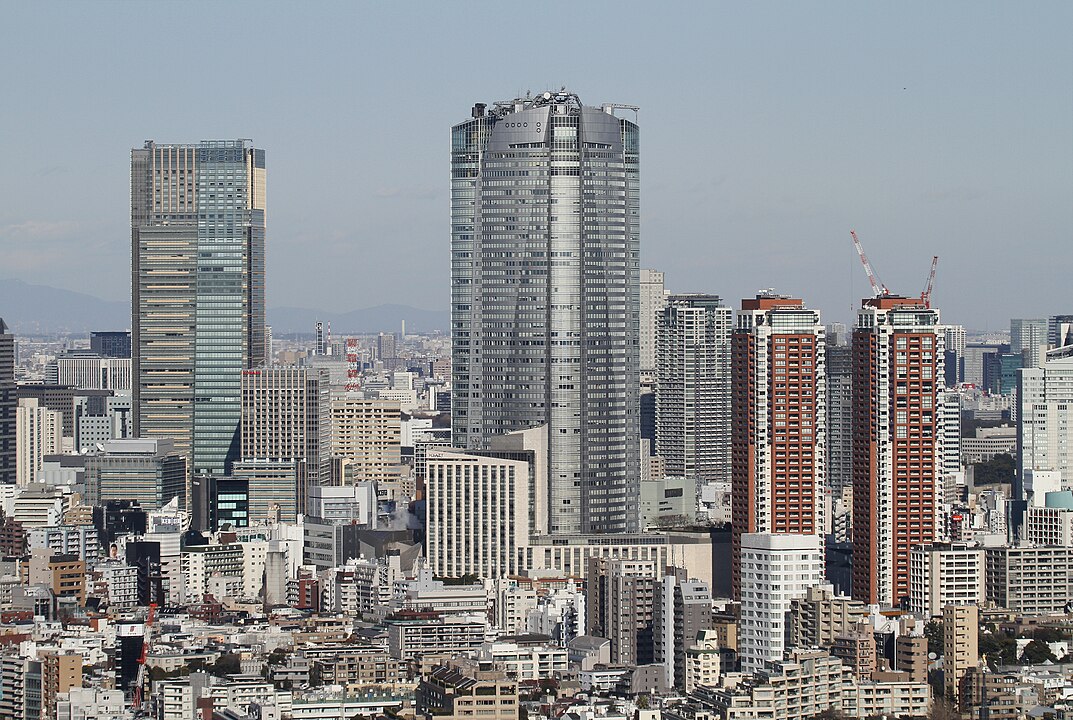
Roppongi: Tokyo’s Multifaceted Central District
Roppongi is one of Tokyo’s most vibrant and diverse areas, combining modern commerce, art culture, and nightlife. It’s not only a favorite nightlife destination for foreigners but also an urban complex that blends modern architecture, top-tier art museums, and high-end shopping.
Key Information
- Located in central Tokyo
- Famous international nightlife district
- Home to several large-scale development projects
- Cultural center known as the “Roppongi Art Triangle”
- Location of many embassies and expatriate communities
The Historical Evolution of Roppongi
Roppongi, literally meaning “six trees,” is said to derive its name from six large trees planted in the area during the Edo period. From the 1950s, the presence of American military personnel fostered an international atmosphere. Entering the 21st century, the completion of major redevelopment projects like Roppongi Hills and Tokyo Midtown injected new vitality into the area, transforming it into a comprehensive urban district integrating commerce, culture, and entertainment.
Main Attractions in Roppongi
Roppongi Hills
Opened in 2003, Roppongi Hills is a “city within a city” complex. The 238-meter-tall Mori Tower is its iconic building, housing the Mori Art Museum and Tokyo City View observation deck on its top floors. This area brings together numerous shops, restaurants, and a cinema, making it an ideal place to experience modern Tokyo lifestyle.
Visitors can enjoy high-end shopping, savor international cuisines, appreciate contemporary art exhibitions, and take in panoramic views of Tokyo from the observation deck. At night, the tower’s light show is a visual feast not to be missed.
Tokyo Midtown
Tokyo Midtown, opened in 2007, is another large-scale urban complex following Roppongi Hills. The 248-meter-tall Midtown Tower was Tokyo’s tallest building until 2014. It offers not only high-end residential and office spaces but also numerous boutique shops and restaurants.
The Suntory Museum of Art is located here, exhibiting traditional and modern Japanese art. The top floors of Midtown Tower house The Ritz-Carlton Tokyo, offering an excellent choice for luxury-seeking visitors. The plaza’s green spaces and water features provide a relaxing environment for urban visitors.
The National Art Center Tokyo
The National Art Center Tokyo, opened in 2007, is one of Japan’s largest art museums. Although it doesn’t have a permanent collection, it regularly hosts various temporary exhibitions covering art movements from classical to modern.
The museum building itself is a work of art, designed by renowned architect Kisho Kurokawa, with its impressive undulating glass façade. The spacious, bright exhibition halls provide an ideal space for showcasing artworks. Even if not viewing an exhibition, visiting to admire the architecture and enjoy the café is a worthwhile experience.
Roppongi Nightlife
Roppongi’s nightlife is world-renowned, particularly popular among foreigners. It boasts numerous restaurants, bars, and clubs catering to an international clientele, creating a lively and inclusive atmosphere. From upscale cocktail bars to energetic dance clubs, Roppongi’s nights cater to visitors of all tastes.
Notably, many venues offer English-speaking services, making it easy for non-Japanese speakers to enjoy Tokyo’s nightlife. Whether you’re looking to taste authentic Japanese cuisine or seeking familiar Western fare, Roppongi can meet your needs.
Best Time to Visit
Roppongi is an ideal destination year-round, but spring (March-May) and autumn (September-November) offer the most pleasant weather. Cherry blossom season and fall foliage season are the best times to enjoy beautiful scenery. Summer (June-August), though hot, is still suitable for visiting as all major shopping centers and museums are air-conditioned. Winter (December-February) is colder but rich in festive atmosphere, especially during the New Year period with its decorations and events.
Transportation Guide
How to reach Roppongi
- Hibiya and Oedo Subway Lines: Get off at Roppongi Station
- Namboku Subway Line: Get off at Roppongi-itchome Station
From major stations to Roppongi
- From Tokyo Station: Take the Marunouchi Line to Kasumigaseki Station, then transfer to the Hibiya Line. About 15 minutes, 180 yen.
- From Shinjuku Station: Direct ride on the Oedo Line. About 10 minutes, 220 yen.
Opening Hours and Ticket Information
- Roppongi Hills: Shops 10:00-21:00, Restaurants 11:00-23:00 (varies by establishment)
- Tokyo Midtown: Shops 11:00-21:00, Restaurants 11:00-24:00 (varies by establishment)
- The National Art Center Tokyo: 10:00-18:00 (some exhibitions open until 20:00 on Fridays and Saturdays), closed on Tuesdays. Ticket prices vary by exhibition.
Visitor Tips and Advice
- Purchase a transportation card (like Suica or PASMO) for convenient use of public transport.
- Observe rules such as no touching exhibits and no photography when visiting museums.
- Be mindful of personal safety and belongings in nightlife areas.
- Tourist information centers are available in large complexes for maps and guides.
- Book popular restaurants in advance, especially for weekend evenings.
Official Websites
Conclusion
Roppongi is a unique area that blends modern and traditional, art and commerce, local and international elements. Whether you’re an art enthusiast, foodie, shopping aficionado, or nightlife lover, Roppongi offers an unforgettable Tokyo experience. Here, you’ll discover the charm and vitality of Tokyo as an international metropolis. Don’t miss this excellent opportunity to explore Tokyo’s diverse culture and make Roppongi a highlight of your Tokyo journey!