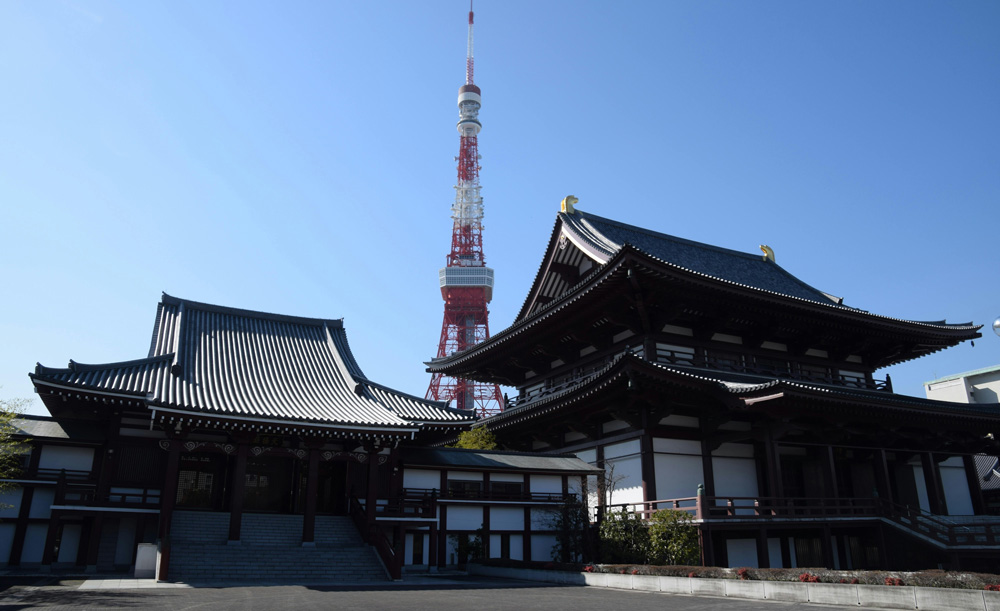
Zojoji Temple is an unmissable historical and cultural landmark in Tokyo. Located at the base of Tokyo Tower, this temple is not only the head temple of the Jodo sect of Japanese Buddhism in the Kanto Region but also the family temple of the Tokugawa clan, steeped in rich history and cultural charm.
Key Information
- Location: Shiba Park, Minato-ku, Tokyo
- Established: 1393
- Main Attractions: Sangedatsumon Gate, Main Hall, Tokugawa Mausoleum
- Opening Hours: 6:00-17:30 (Open year-round)
- Admission: Free (Separate fees for mausoleum and museum)
Rich History
Zojoji Temple was originally founded in 1393 and moved to its current location in 1598 under the direction of Tokugawa Ieyasu. As the family temple of the Tokugawa shogunate, Zojoji has witnessed the rise and fall of the Edo period, surviving numerous fires, earthquakes, and wars. While most buildings are recent reconstructions, the Sangedatsumon Gate from 1622 remains as the temple’s iconic structure.
Main Attractions
Sangedatsumon Gate
The Sangedatsumon Gate is the oldest existing structure at Zojoji and an important cultural property of Japan. This imposing gate, standing 22 meters high and 21 meters wide, is built in the traditional Chinese-style and features intricate carvings and gold leaf decorations. The name “Sangedatsumon,” meaning “Gate of the Three Liberations,” was written by Tokugawa Ieyasu himself, symbolizing liberation from worldly desires, karmic effects, and delusions. Walking beneath this gate feels like stepping back in time to the prosperous Edo period.
Main Hall
Beyond the Sangedatsumon Gate lies the majestic Main Hall. Rebuilt in 1974, it houses a statue of Amida Buddha. Although not ancient, the hall’s solemn atmosphere and exquisite decorations inspire reverence. Notably, a small museum in the basement showcases historical documents and models of the Tokugawa Mausoleum, offering visitors deeper insights into Zojoji’s historical significance.
Tokugawa Mausoleum
Located at the back of the temple complex, the Tokugawa Mausoleum is one of Zojoji’s most historically significant sites. It contains the tombs of six Tokugawa shoguns, including Tokugawa Ieyasu, making it a crucial site for studying Japan’s Edo period history. Although severely damaged during World War II, the restored mausoleum maintains a dignified and solemn atmosphere, inviting reflection on the bygone glory of the shogunate.
Best Time to Visit
Zojoji is beautiful year-round, but it’s especially stunning during cherry blossom season in spring and autumn when the leaves change color. Additionally, on New Year’s Eve, the temple hosts a bell-ringing ceremony that attracts many visitors seeking blessings for the coming year.
Getting There
- Subway: 5-minute walk from Onarimon Station or Shibakoen Station (Mita Line), or Daimon Station (Oedo Line)
- JR: 10-minute walk from Hamamatsucho Station (Yamanote Line, Keihin-Tohoku Line)
Hours and Admission
- Temple Grounds: 6:00-17:30 (Open year-round)
- Temple Admission: Free
- Tokugawa Mausoleum & Museum:
- Hours: 11:00-15:00 (weekdays), 10:00-16:00 (weekends and holidays)
- Closed: Tuesdays (except national holidays)
- Admission: 500 yen (mausoleum only), 700 yen (museum only), 1000 yen (combined ticket)
Visitor Tips
- Maintain a respectful silence during your visit to honor the temple’s solemn atmosphere
- Follow photography guidelines as some areas may prohibit picture-taking
- Consider combining your visit with Tokyo Tower for a unique contrast of old and new
- English audio guides are available for the museum, offering deeper insights into the temple’s history
Official Website
Conclusion
Zojoji Temple is a multifaceted attraction blending history, culture, and religion. Whether you’re interested in Buddhism, fascinated by history, or simply seeking a peaceful retreat in the heart of Tokyo, Zojoji offers something unique. Standing beneath the ancient Sangedatsumon Gate while gazing up at the modern Tokyo Tower, you’ll experience the distinctive temporal juxtaposition that defines Tokyo. Whether it’s your first visit to Tokyo or a return trip, Zojoji Temple is well worth your time, inviting you to immerse yourself in the timeless charm of this ancient temple.