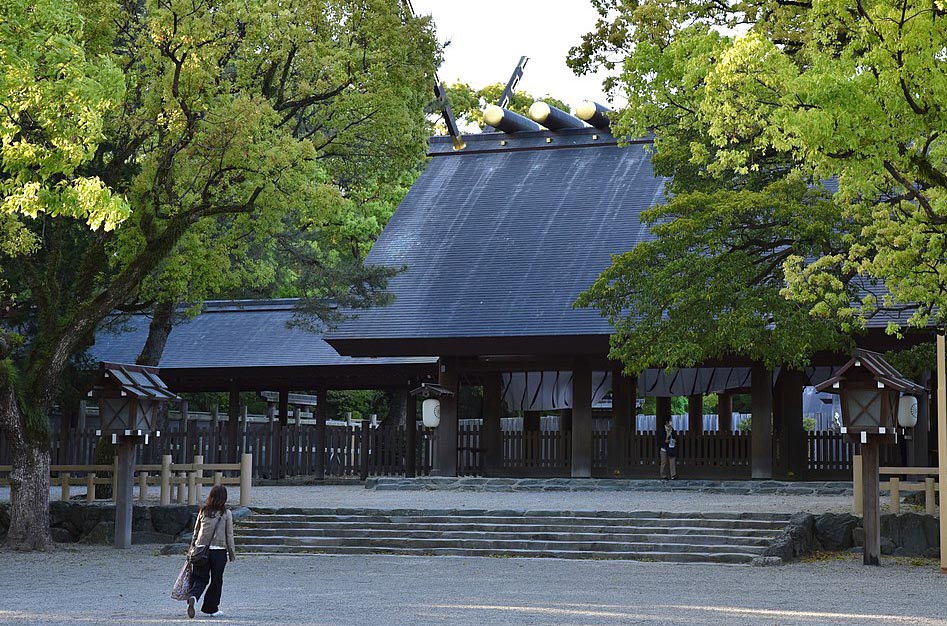
Overview: A Gateway to the Heart of Japanese Shinto Tradition
Atsuta Shrine (熱田神宮, Atsuta Jingū) stands as one of Shinto’s most important sanctuaries, nestled in a serene woodland in southern Nagoya. This ancient shrine is not just a religious site, but a profound symbol of Japanese imperial and cultural heritage, housing the legendary Kusanagi Sword—one of the three sacred imperial regalia that embodies the mystical depths of Japanese history.
Key Information at a Glance
- Location: Aichi Prefecture, Nagoya, Japan
- Significance: One of Japan’s most important Shinto shrines
- Key Highlights:
- Dedicated to the Sun Goddess Amaterasu
- Home to the legendary Kusanagi Sword
- Meiji-era reconstructed architectural style
- Featuring the state-of-the-art Kusanagi-kan Museum
Historical Background: A Millennium of Cultural Preservation
Dating back to 685 CE, Atsuta Shrine boasts a remarkable 1,300-year history. As one of Japan’s oldest shrines, it holds a pivotal position in Shinto religious tradition. Originally established to enshrine the Sun Goddess Amaterasu and safeguard the mythical Kusanagi Sword, the shrine has been a guardian of Japan’s most sacred spiritual and historical narratives.
Landmark Attractions Explored
Kusanagi-kan Museum
Opened in 2021, this modern museum is the shrine’s newest gem. It showcases over a dozen historical swords and features an interactive zone where visitors can experience the weight and feel of traditional Japanese blades. The exhibition goes beyond display, offering a profound insight into the samurai culture and sword-making craftsmanship.
Traditional Treasure House
Located near the Kusanagi-kan, this old-fashioned treasure house houses a vast collection of shrine-related historical artifacts and documents. It provides visitors with an in-depth look into the shrine’s rich historical context and cultural significance.
Main Shrine Hall
Built in the pure Shinmei-zukuri architectural style, the hall was reconstructed during the Meiji Period, mimicking the Ise Shrines. The building itself is a work of art, demonstrating the exquisite traditional Japanese architectural craftsmanship.
Best Times to Visit
- Spring (March-May): Cherry blossoms in full bloom, most picturesque
- Autumn (September-November): Stunning red maple leaves, pleasant weather
- Avoid: Summer’s intense heat and winter’s cold temperatures
Transportation Guide
Railway Options
- Meitetsu Railway: From Nagoya Station to Jingumae Station, just 5 minutes (¥250)
- Subway: Take the Meijo Line to Atsuta Jingu Nishi Station, 5-minute walk
- JR Line: From Nagoya Station to Atsuta Station, 6 minutes, then 10-minute walk
Operating Hours and Admission
- Shrine Grounds:
- Open 24/7
- Free admission
- Kusanagi-kan Museum:
- Hours: 9:00 AM – 4:30 PM (last entry at 4:00 PM)
- Ticket Prices:
- Kusanagi-kan only: ¥500
- Kusanagi-kan + Treasure House: ¥800
Visitor Tips and Recommendations
- Wear comfortable walking shoes
- Maintain a respectful and quiet demeanor
- Avoid using flash photography
- Check the official website for the latest information
- Try local specialty kishimen noodles near the shrine
Official Websites
Conclusion
Atsuta Shrine is more than just a tourist destination—it’s a living museum of Japanese culture and history. Silently guarding Japan’s deepest spiritual secrets, it invites every visitor to embark on a transformative journey through time. Whether you’re a history enthusiast, cultural explorer, or simply a traveler seeking authentic experiences, Atsuta Shrine promises an unforgettable glimpse into the soul of Japanese tradition.
Leave a Reply